This is master admin course given to tenant.
CanvasPlus Moodle
Skip available courses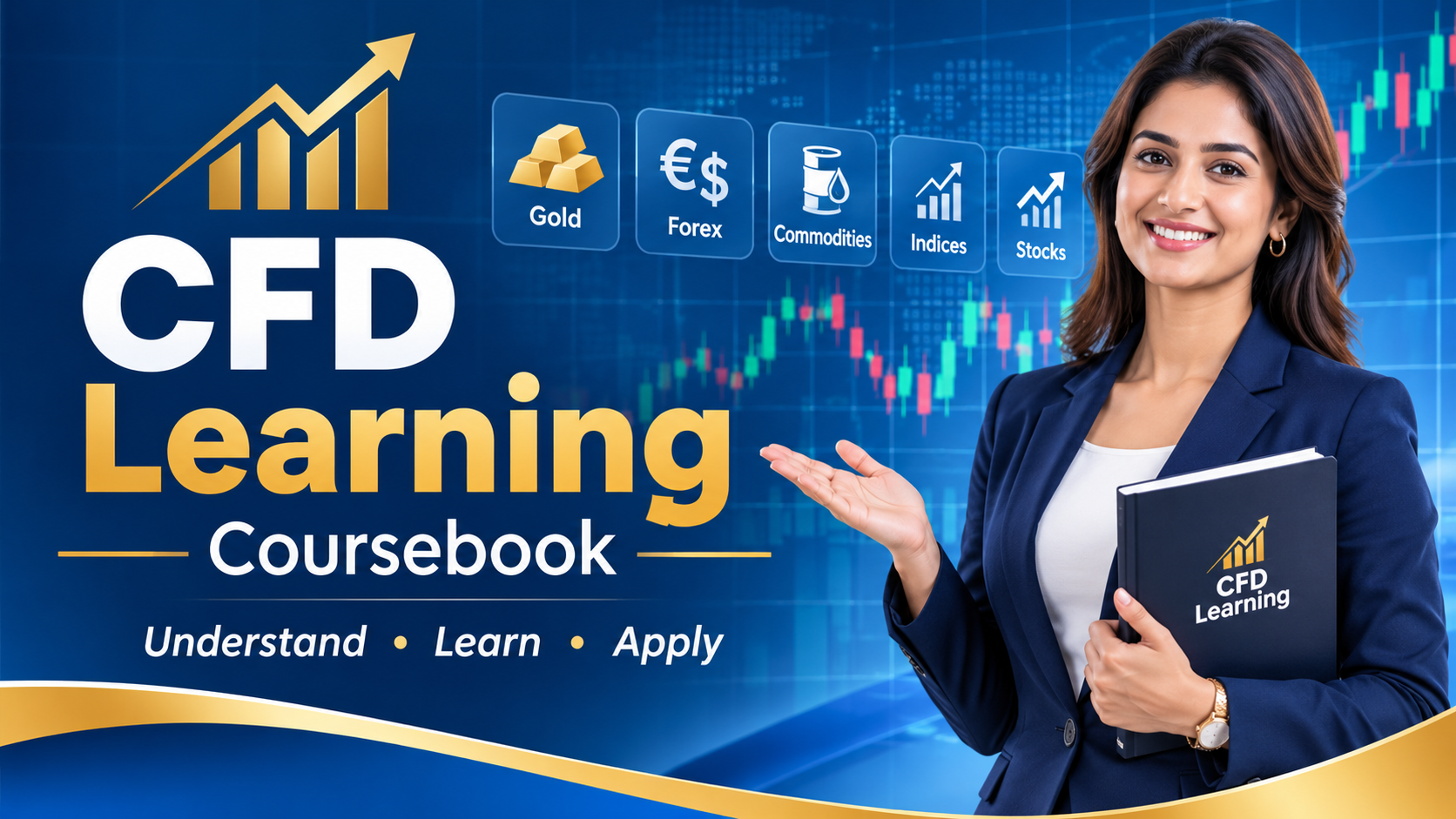
BUYSELL
Assumes a simplified $1 per $1 price movement per ounce. Excludes spread, commission, financing and other charges. Actual contract specifications vary by broker.
Available courses
- Teacher: sumit .
- Teacher: Mana Four AdminDuo
- Teacher: Manager Second Adone
- Teacher: Manager Test Uno
- Teacher: Manag Thirs Test
- Teacher: Mana Four AdminDuo
- Teacher: Manager Second Adone
- Teacher: Manager Test Uno
- Teacher: Manag Thirs Test
How to deal with a costumer at calling time
- Teacher: Mana Four AdminDuo
- Teacher: Manager Second Adone
- Teacher: Manager Test Uno
- Teacher: Manag Thirs Test
tesing 2 course
this is testing
SQL is a DB language.
This is the compelete python course.
React course created from CRM
- Teacher: Manager Second Adone
- Teacher: Mana Four AdminDuo
- Teacher: Manager Second Adone
- Teacher: Manager Test Uno
- Teacher: Manag Thirs Test
Cold Call. How to get maximum result in one singal call
Hello Team this course is assigned for test
- Teacher: Manager Test One
- Teacher: Manager One
- Teacher: canvaplus api
- Teacher: Mana Four AdminDuo
- Teacher: Manager Second Adone
- Teacher: Manag Thirs Test
If you are working for a CFD brokerage company, the first thing you need to understand is what the CFD market is, how a broker operates, where market prices come from, how clients trade, and how the broker generates revenue.
Let's understand it from the basics.
1. What is the CFD market?
CFD stands for Contract for Difference.
It is a financial derivative that allows clients to speculate on the price movement of an asset without actually owning it.
For example:
Suppose Gold is trading at $2,000 per ounce.
-
A client believes Gold prices will increase and opens a BUY position.
-
Gold increases to $2,050.
-
The client makes a profit based on the price difference and position size, before applicable charges.
Alternatively:
-
A client believes Gold prices will decrease and opens a SELL position.
-
Gold falls from $2,000 to $1,950.
-
The client makes a profit based on the price difference and position size, before applicable charges.
If the market moves in the opposite direction, the client incurs a loss.
Important: In CFD trading, clients trade price movements, not ownership of physical Gold, currencies or shares.
2. How does the CFD brokerage business operate?
This is particularly important from your company's perspective.
CFD Brokerage Ecosystem
Global Financial Markets
Gold · Forex · USD · Oil · Stocks · Indices
Market pricing and liquidity
Liquidity Providers / Pricing Sources
Banks and financial institutions
CFD Broker
Pricing · Execution · Trading platform · Risk management
Client / Trader
Deposits funds and opens BUY or SELL positions
Here's what each participant does:
-
Financial markets: Determine the prices of underlying financial instruments.
-
Liquidity providers: Supply prices and liquidity to brokers.
-
Broker: Provides trading infrastructure, pricing, order execution and account services.
-
Client: Uses the broker's platform to trade CFDs.
Note that the exact execution and risk-management model depends on the broker. Some brokers hedge client exposure externally, while others internally manage some exposure.
3. What markets can a CFD broker offer?
Gold (XAU/USD)
Gold is traded against the US Dollar. Its price can be influenced by inflation, interest rates, USD movements and geopolitical uncertainty.
Forex
Trading currencies against each other, such as EUR/USD, GBP/USD and USD/JPY.
Commodities
Gold, Silver, Crude Oil and Natural Gas. Prices are influenced by supply, demand and global economic conditions.
Indices
Instruments representing groups of stocks, such as NASDAQ-100, S&P 500 and Dow Jones.
Stocks
CFDs based on individual company share prices, such as Apple, Tesla and Amazon.
4. How does a CFD broker make money?
This is one of the most important things to understand.
A broker can generate revenue through:
A. Spread
The difference between the BUY and SELL price.
Example:
|
Description |
Gold price |
|---|---|
|
BUY price |
$2,001 |
|
SELL price |
$2,000 |
|
Spread |
$1 |
The spread is a trading cost for the client and can contribute to the broker's revenue.
B. Commission
Some brokers charge a separate commission when clients open or close trades.
C. Overnight financing
If a client keeps a position open overnight, financing charges or credits may apply depending on the instrument, direction and account terms.
Important: A broker's actual net revenue depends on its pricing, costs, hedging arrangements and execution model. It is not accurate to assume that every client's loss is automatically the broker's profit.
5. What is leverage and margin?
Suppose a client has $1,000 in their trading account and uses 1:100 leverage.
Illustrative trading exposure
$100,000
$1,000 capital × 100 leverage
Client capital
$1,000
Leverage
1:100
Trading exposure
$100,000
Leverage allows clients to control a larger market exposure with a smaller amount of margin.
However, it magnifies both profits and losses. It does not mean the client owns $100,000 worth of the underlying asset.
6. How does a broker use a trading platform like MT5?
A trading platform such as MetaTrader 5 acts as the interface between the broker and its clients.
Through the platform, clients can:
-
View market prices.
-
Analyse charts and indicators.
-
Open BUY and SELL positions.
-
Set Stop Loss and Take Profit.
-
Monitor profits and losses.
-
Close their trades.
The broker configures the instruments, trading conditions and execution infrastructure available to clients.
7. What happens when Gold prices move?
Let's take a simple example.
Gold is currently trading at $2,000.
Understand a Gold CFD position
$2,050
$1,900
$2,100
1 oz
Price difference
$50.00
Illustrative trading result
+$50.00
This is the kind of basic market knowledge a telesales associate should have before speaking with clients.
8. What should you understand as a telesales associate?
You don't need to become a professional trader, but you should understand these concepts:
-
What is a financial market?
-
What is CFD trading?
-
What does a CFD broker do?
-
Where do market prices come from?
-
What are liquidity providers?
-
How does a broker generate revenue?
-
What makes Gold and USD prices move?
-
What are BUY and SELL positions?
-
What are spread, leverage and margin?
-
What is MT5 and how does it work?
This is Testing_API_5 course.
- Teacher: assigner1 assigner1
Bruhhhhhhhhhh😋😋
This is the a description box i don't know what to insert in this thing bruhhh
THIS IS PYTHON COURSE.
THIS IS NEXTJS COURSE.
This Is AI COURSE.
This is NEW PRODUCT INTRODUCTION COURSE.
This is Rhymecall Tenant Training courses.
THIS IS NEXTJS COURSE.
This is training course
- Teacher: Prod Testing Admin
This course provides a training of the rhymecall app
- Teacher: Prod Testing Admin